It is also vital to expand innovation and entrepreneurship, especially in emerging fields such as artificial intelligence, to enhance the competitiveness of our economies regionally and globally.


In recognition of the strategic initiative to enhance national capabilities in large-scale data processing, computational science, and innovation-driven research, the Kuwait Institute for Scientific Research (KISR) has established a high-performance computing (HPC) center. The system, known as the Integrated Kuwait Advanced Research for Ultrafast Systems (IKARUS), represents a significant leap forward in the advancement of Kuwait’s scientific and technological infrastructure.
It is also vital to expand innovation and entrepreneurship, especially in emerging fields such as artificial intelligence, to enhance the competitiveness of our economies regionally and globally.
The launch of IKARUS by KISR marks an ambitious and forward-looking step toward advancing Kuwait’s development goals. As a state-of-the-art supercomputing facility, it will function not only as a technical asset but also as a strategic instrument to support national aspirations in scientific leadership, innovation, and sustainable development. IKARUS is expected to significantly enhance Kuwait’s ability to translate research findings into smart policies and commercially viable technologies—paving the way for the realization of Kuwait Vision 2035.
Pioneering High-Performance Computing in Kuwait for a Smarter, Innovative Future
To empower Kuwait’s scientific, academic, and industrial communities with world-class high-performance computing infrastructure, accelerating innovation, advancing national research capabilities, and driving knowledge-based development for a sustainable future

The name "IKARUS" stands for Integrated Kuwait Advanced Research for Ultrafast Systems, and represents a significant leap forward in the advancement of Kuwait’s scientific and technological infrastructure.
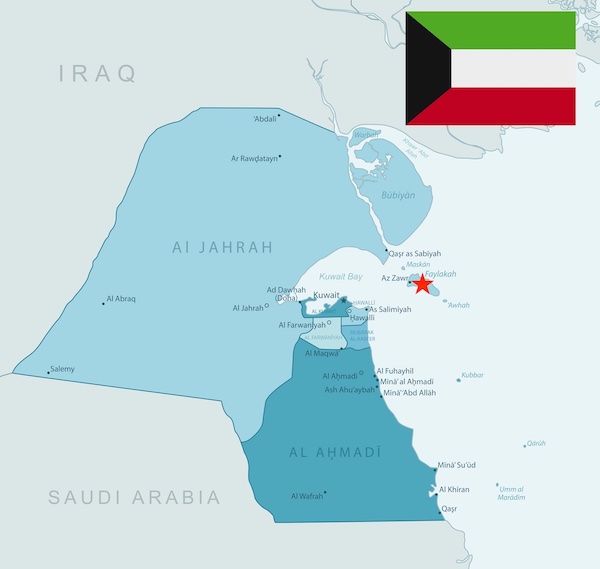
The name IKARUS is driven from the Hellenistic name of Failaka Island, which is a Kuwaiti Island in the Arabian Gulf. The island is 20 km off the coast of Kuwait City in the Arabian Gulf. According to Strabo and Arrian, Alexander the Great named the island Ikaros because it resembled the Aegean Island of the same name in size and shape.
IKARUS is aimed at enabling research projects spanning across different applications in engineering, mathematics, particle physics, computational chemistry, big data and more.
Before you can start using IKARUS, you must first request an account to access the system. IKARUS is currently freely accessible by KISR's research staff. A free tier account for three months that provides access to 240 CPUs and a maximum job walltime of 36 hours will be granted. To gain more resources, your account must be associated with an existing KISR project. The projects need to be registered by the Principal Investigator. Creating accounts for KISR collaborators working at other research institutions can be requested by the project's Principal Investigator. Collaborator accounts are usually created with a limited lifespan.
Please note that no matter what type of account you are requesting access to, you must first successfully complete KISR's training course on how to use IKARUS. This course is provided freely to KISR research staff.
Before requesting an account, please read the terms of use — by requesting an account and accessing the system, it is implied that you agree to the terms of use as stated. This is especially important for supervisors or members of staff who are responsible for staff and collaborator accounts.
If you are not apart of KISR research staff, please contact us for more information on how to gain account access.
More than 2,000 Computing Cores
Each Core
Turbo-Speed/Core
Scratch Storages
Interconnection
Air Quality Forecasting
Air quality forecasting is an effective method for protecting public health by providing early warnings about high concentrations of air pollutants. The Air Quality Forecast System (AQFS) for the State of Kuwait delivers daily information for both the public and decision-makers. The system relies on a chain of 3D atmospheric models and automatically manages the flow of information daily. This includes input data, emissions, meteorological data, and background air quality. Additionally, the system produces forecasts of criteria air pollutants (CAPs) for a few days ahead. This information will be made available online through maps and charts and may be linked to existing IT solutions. The AQFS will integrate air quality monitoring network data, extending its coverage across the entire territory and connecting ambient concentrations to the emission inventory. This integration is essential for effective air quality management.
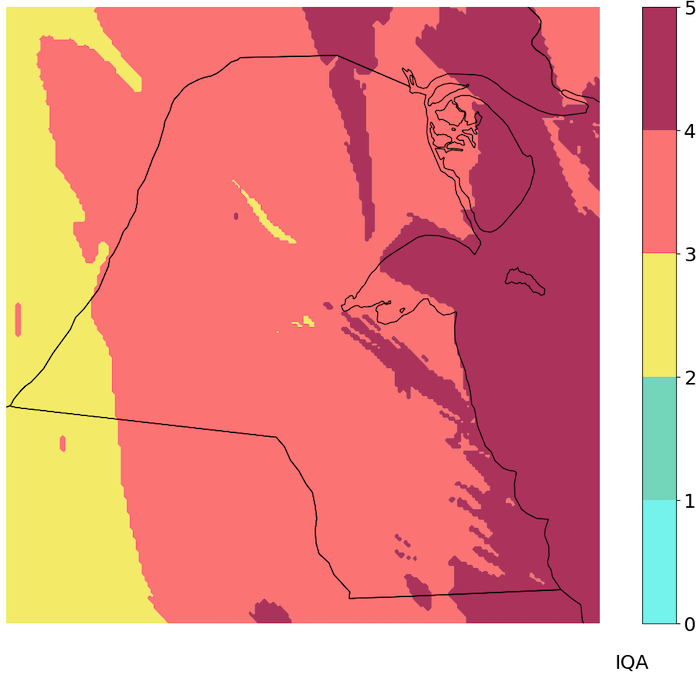
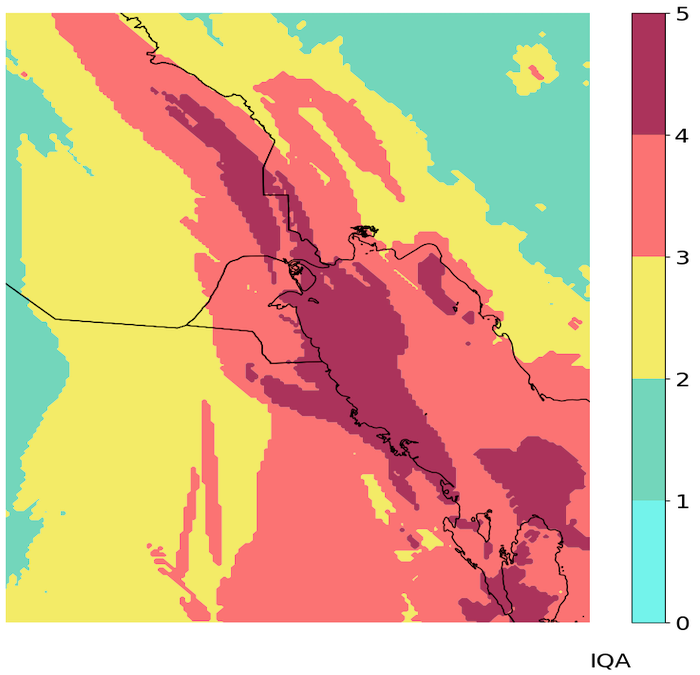
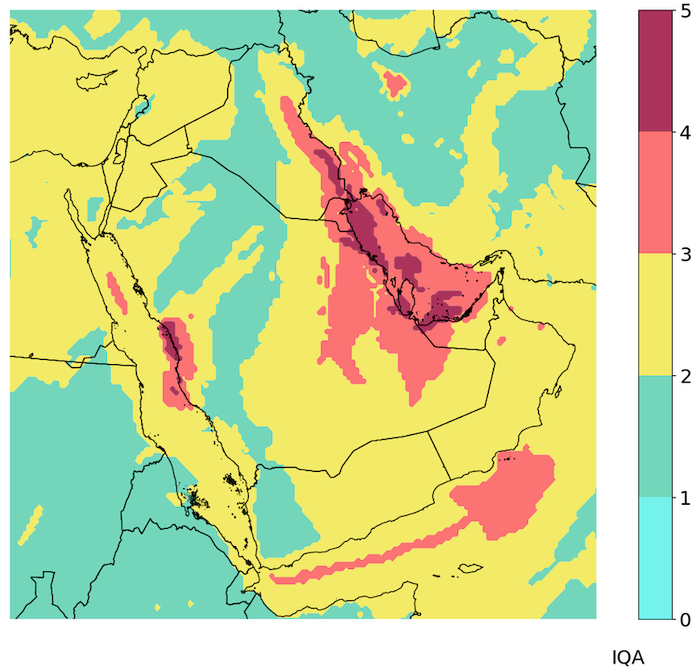
The system aims to provide daily air quality forecasts of SO2, CO, CO2, NOx, O3, and particulate matter concentrations over Kuwait to decision-makers and the public.
Energy Prediction
The Kuwait Renewable Energy Prediction System (KREPS) is being developed by the U.S. National Center for Atmospheric Research (NCAR) in partnership with the Kuwait Institute for Scientific Research (KISR). This short-range renewable energy forecasting system is crucial prior to the deployment of substantial solar and wind capacity targeted by the State of Kuwait government to attain 15% renewable energy generation by 2030.
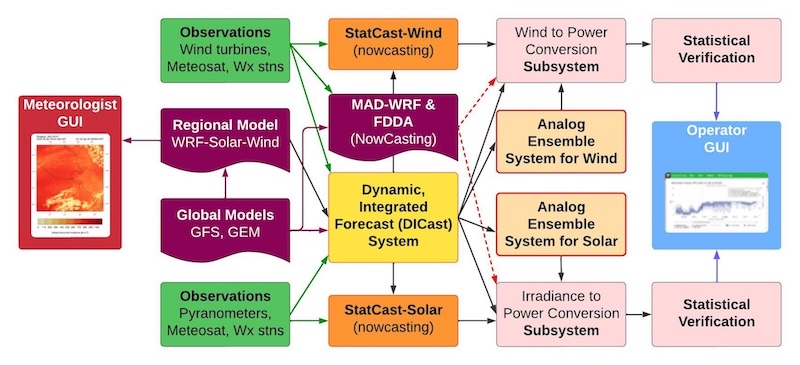
The ultimate goal of this project is to deliver to KISR an operational wind and solar power forecasting system, for both nowcasting and day-ahead time horizons (and beyond), with which they can provide forecasts to their national power grid operators and wind/solar power plant operators.
Operational Forecast Model
This project aims to establish and operate a High-Performance Computing (HPC)- enabled operational forecasting system for the Northern Arabian Gulf, with a particular focus on Kuwait’s territorial waters. The system integrates three-dimensional hydrodynamic modelling and particle tracking within an automated framework driven by real-time observations and global meteorological forcing.
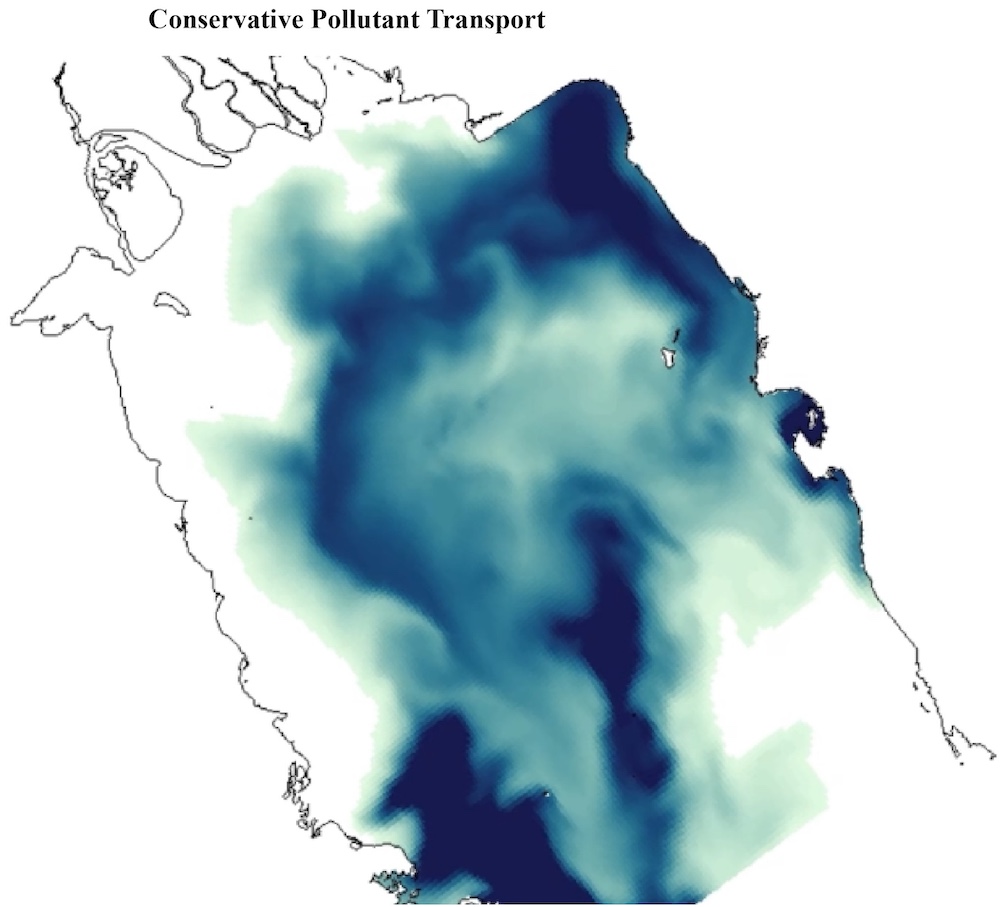
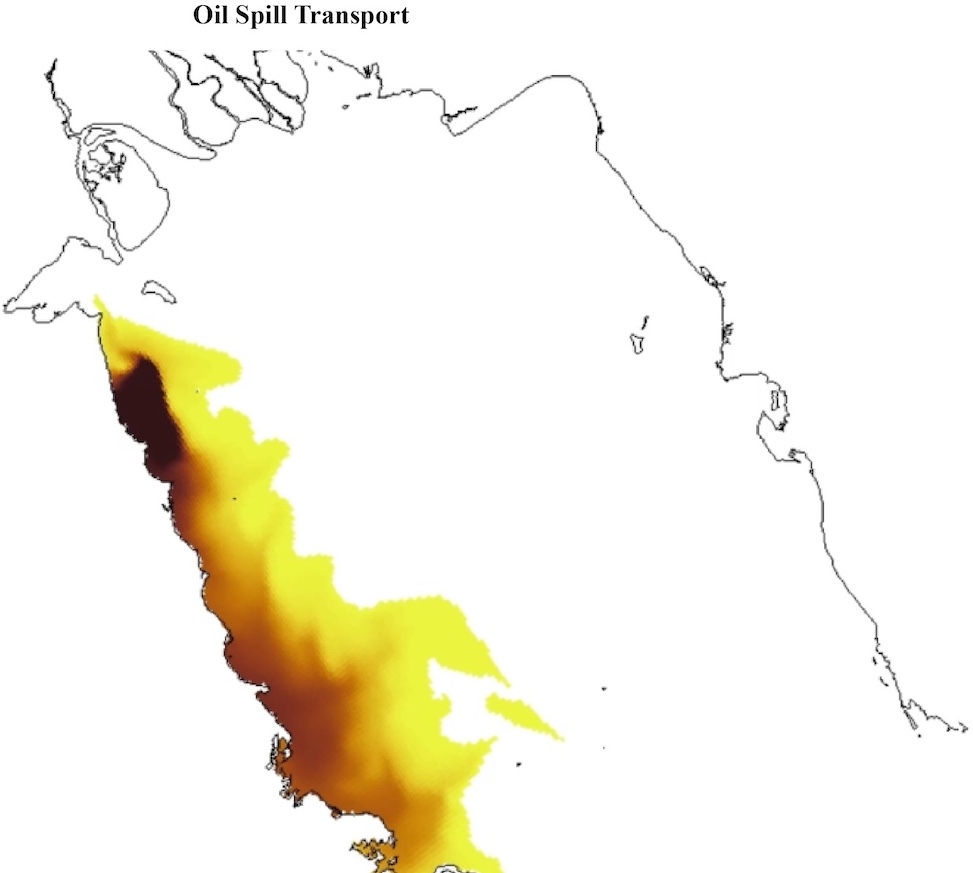
High-Performance Computing (HPC) resources enable rapid, high-resolution simulations, allowing reliable 2–3 day forecasts to be produced on an operational basis. The forecasts are designed to support coastal zone management, early warning, and risk assessment by predicting currents, water levels, and the transport of pollutants, oil spills, and floating objects, thereby providing timely scientific information for decision-making and emergency response.